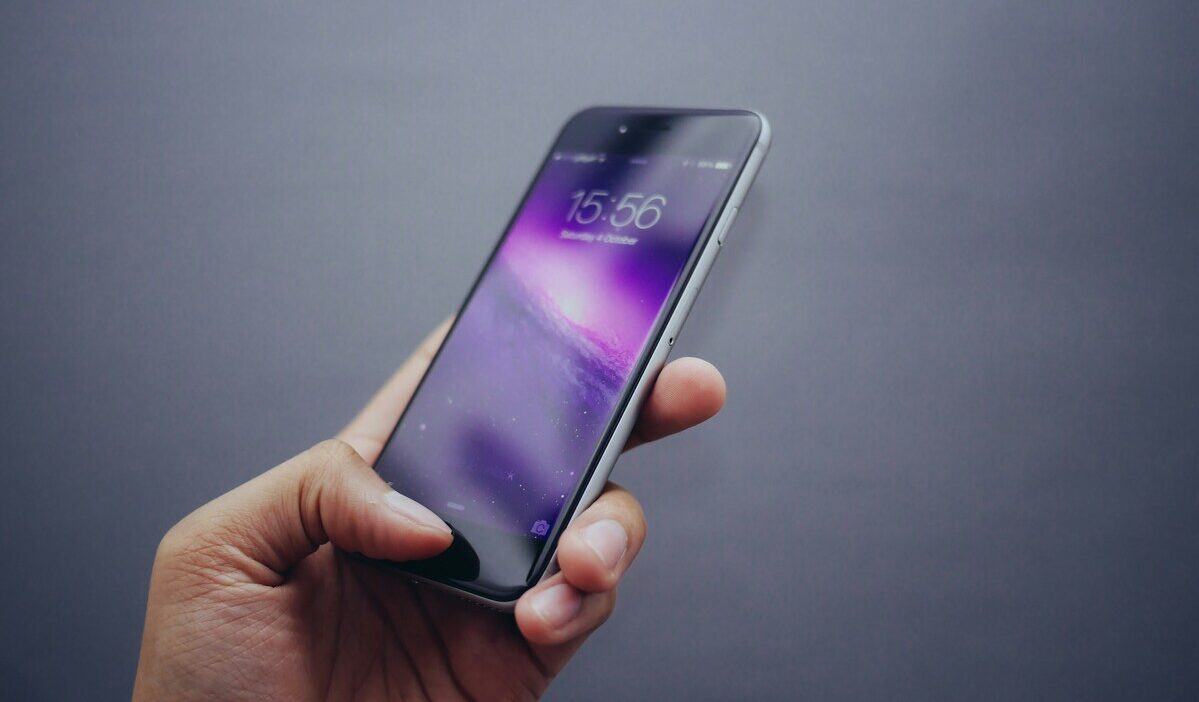
The iPhone 6s SIM card size is nano-SIM, the smallest standard physical SIM format available. It measures 12.3 x 8.8 mm and is required for any cellular plan on this device. The iPhone 6s does not support eSIM, so a physical card is your only option for mobile service.
This guide covers how nano-SIM compares to other SIM types, where to get a replacement card, and how to insert or remove the SIM tray correctly. Read the steps below to get your iPhone 6s connected.
1. What Size SIM Card Does the iPhone 6s Use?
The iPhone 6s uses a nano-SIM card, also called a 4FF or Fourth Form Factor SIM. It measures 12.3 x 8.8 mm, making it the smallest standard physical SIM available. The iPhone 6s does not support eSIM, so you must use a physical card for any cellular plan.
Every iPhone from the iPhone 5 through the iPhone 11 uses the same nano-SIM size. If you already have a nano-SIM from another iPhone in that range, it fits the 6s directly with no adapter needed.
The SIM tray is located on the right side of the device. You can access it using a SIM eject tool or a straightened paper clip.
2. How Does iPhone 6s SIM Card Size Compare to Other Types?
If you are coming from an older phone, comparing the iPhone 6s SIM card size or a non-Apple phone, this table shows exactly how nano-SIM compares to other formats.
| SIM Type | Also Known As | Dimensions | Commonly Used In |
| Standard SIM | Full-size, 1FF | 85.6 x 54 mm | Very old devices, mostly obsolete |
| Mini-SIM | Standard, 2FF | 25 x 15 mm | Older Android and feature phones |
| Micro-SIM | 3FF | 15 x 12 mm | iPhone 4, older Android models |
| Nano-SIM | 4FF | 12.3 x 8.8 mm | Most iPhones from the iPhone 5 onward have a physical SIM tray. |
If your current SIM is a micro or mini size, you will need a new nano-SIM from your carrier before using it in an iPhone 6s.
>>> Read more: Does iPhone 11 Have SIM Card? Which iPhones Still Do
3. How to Get a Replacement Nano-SIM for iPhone 6s
If your nano-SIM is damaged, lost, or you are switching carriers, here are your options.
- Contact your carrier directly. Most carriers provide a nano-SIM replacement at no charge, either by mail or at a store location near you. You may need to show your account details or a photo ID when requesting the card.
- Ask for a 3-in-1 universal SIM card. These cards are perforated and can be punched out to nano, micro, or mini size. You only need one card regardless of which device you end up using.
- Avoid cutting a larger SIM card at home. Improper trimming of the iPhone 6s SIM card size can damage the chip inside the card or prevent the card from sitting flat in the tray. This can cause the iPhone 6s to fail to detect the SIM.
4. How to Insert or Remove the SIM Card on iPhone 6s
Inserting or removing the nano-SIM on an iPhone 6s takes less than a minute, especially now that you know exactly the iPhone 6s SIM card size
- Locate the SIM tray on the right side of the iPhone 6s
- Insert a SIM eject tool or a straightened paper clip into the small hole beside the tray
- Apply gentle, even pressure to pop the tray open — do not force it
- Slide the tray out completely
- Remove the old nano-SIM if one is present
- Place the new nano-SIM into the tray. The notch ensures it fits only one way
- Slide the tray back into the device in the same orientation until it clicks flush
If the tray does not release, do not use extra force. Take the device to a carrier store or an Apple Store for assistance.
5. Need eSIM Support? Eligible Users May Qualify for Newer Devices
The iPhone 6s is a 2015 device, which means it is over 10 years old. Keeping it running with a nano-SIM is completely possible, but if the device is slowing down or missing features you need, you may not have to pay for an upgrade.
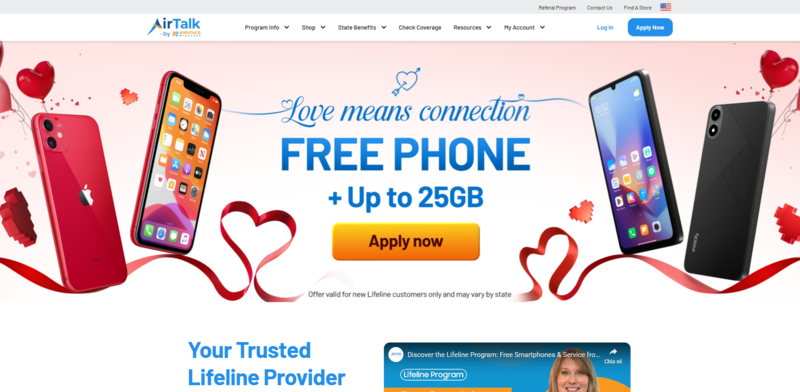
Eligible households in the US may qualify for a free phone through the approved provider who partner with the Lifeline program to make connectivity more accessible.
What is the Lifeline program?
The Lifeline program is a federal benefit program that helps qualifying low-income households reduce or eliminate their monthly phone service costs by offering a monthly discount.
Standard households can receive up to $9.25 per month in service discounts. Households on qualifying Tribal lands may receive up to $34.25 per month.
You may qualify if you participate in Medicaid, SNAP, SSI, Section 8, or Veterans Pension. You can also qualify if your household income is at or below 135% of the Federal Poverty Guidelines.
How does Lifeline work with providers?
The program does not handle things alone. Instead, it partners with wireless providers known as Eligible Telecommunications Carriers (ETCs), which deliver the supported services to eligible households.
And in many cases, these carriers also offer promotional device options, including newer iPhones with eSIM support, at reduced or no cost to eligible applicants.
Cintex Wireless has been a trusted ETC choice for many eligible households because of its straightforward application process and continued efforts to improve the customer experience.
As Cintex Wireless becomes part of AirTalk Wireless, customers can look forward to an even stronger service experience. AirTalk Wireless is a well-established Lifeline provider that serves more than 2 million customers nationwide.
By bringing the two carriers together, customers can enjoy a broader selection of devices, a more streamlined application process, and enhanced customer support.
Note: Eligibility varies by state and program. Offers depend on availability and qualifications. Cintex and AirTalk Wireless operate under the federal Lifeline Program as an Eligible Telecommunications Carrier (ETC). Service is non-transferable and limited to one service per household.
What can you receive?
A typical Lifeline plan through Cintex Wireless may include:
- Unlimited talk and text
- Monthly data allowance
- A free SIM kit or eSIM activation
- A promotional smartphone at a reduced or no-cost price
The table below shows eSIM-ready iPhones currently available through Cintex Wireless. These are examples of what may appear when you check your ZIP code during enrollment.
| iPhone Model | eSIM Support | Estimated Price at Cintex* |
| iPhone SE (3rd Gen) | Yes | $0 |
| iPhone XR | Yes | $19.99 |
| iPhone 11 | Yes | $99.99 |
| iPhone 12 | Yes | $29.99 |
| iPhone 12 Pro Max | Yes | $99.99 |
| iPhone 13 | Yes | $149.99 |
| iPhone 15 | Yes | $514.99 |
*Device availability and pricing vary by state, ZIP code, and promotion period. Prices are subject to change without notice.
During limited promotional periods, eligible applicants may find eSIM-ready models, including the iPhone 11 through iPhone 15, available at a significantly reduced price or at no cost. Promotional pricing depends on your ZIP code, current inventory, and the active offer at the time you apply.
>>> Read more: What Is eSIM and How Does It Work? A Plain-English Guide
6. FAQ
Q1. Does the iPhone 6s SIM card fit the iPhone 13??
Yes. Both the iPhone 6s and iPhone 13 use the same nano-SIM card size, so the physical SIM card will fit. However, the SIM must be active and compatible with your carrier. Keep in mind that the iPhone 13 also supports eSIM, giving you the option to activate a second line digitally without inserting another physical SIM.
Q2. What happens if I put the wrong SIM size in an iPhone 6s?
A larger SIM card will not seat correctly in the tray and can prevent the tray from closing flush. Forcing the tray shut can damage both the card and the tray slot. Always confirm you have a nano-SIM before attempting to insert it.
Q3. Will any carrier’s nano-SIM work in an iPhone 6s?
This depends on whether your iPhone 6s is locked to a specific carrier. A carrier-locked device will only accept SIM cards from that provider. If you want to use a SIM from a different network, contact your current carrier first to ask about unlocking the device.
Final Words
Now you know the iPhone 6s SIM card size is nano-SIM, measuring 12.3 x 8.8 mm. This format is shared across every iPhone from the 5 through the 11, so you may already have a compatible card on hand.
If you need a replacement, your carrier can usually provide one at no charge. If you qualify for Lifeline, you may also be able to upgrade to a newer eSIM-ready device through an approved provider at reduced cost.