
Is MassHealth Medicare or Medicaid? MassHealth is the state name for Medicaid in Massachusetts, not Medicare. That mix-up is common since both programs serve overlapping groups, including seniors and people with disabilities. The two work completely differently, and some residents actually qualify for both at once.
This guide covers exactly how Medicare and Medicaid differ, what happens if you have both, and where to check your specific eligibility.
1. Is MassHealth Medicare or Medicaid?
MassHealth is the state name for Medicaid in Massachusetts, not Medicare. MassHealth combines Medicaid and the Children’s Health Insurance Program (CHIP) into a single state-run program for people with limited income and resources. Medicare is a separate, entirely different federal program.
The confusion usually comes from the fact that both programs cover many of the same groups, seniors and people with disabilities in particular. But the name “MassHealth” itself only ever refers to Massachusetts’s Medicaid and CHIP program, never to Medicare.
2. What Is the Difference Between Medicare and Medicaid?
Medicare is a federal program mainly for people age 65 or older or those with specific disabilities, regardless of income.
Medicaid, called MassHealth in Massachusetts, is a state-run program based primarily on income and resources, not age.
The two programs are funded and administered completely differently, which affects everything from what you pay to who runs the program.
| Feature | Medicare | Medicaid (MassHealth) |
| Eligibility basis | Age 65+ or specific disability | Income (and assets/resources if age 65 or older) |
| Administered by | Federal government | State government, with federal funding |
| Cost to enrollee | Premiums, deductibles, and copays typically apply | Often $0 or low cost, depending on eligibility tier |
| Massachusetts name | Medicare, same nationwide | MassHealth |
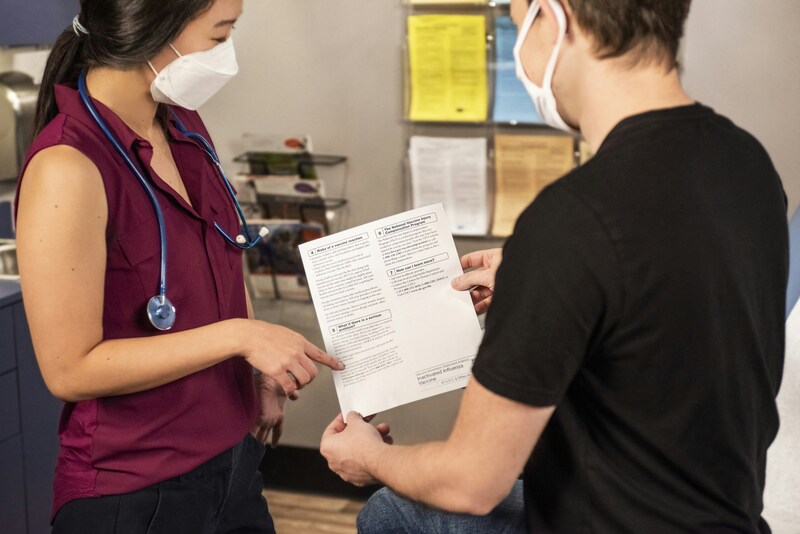
>>> Read more: What Is The Difference Between Medicare And Medicaid? 2026 Easy Explanation
3. Can You Have Both MassHealth and Medicare at the Same Time?
Yes. Some Massachusetts residents qualify for both MassHealth and Medicare at the same time, commonly called dual eligibility.
When this happens, Medicare pays first as your primary insurance, and MassHealth acts as secondary coverage, helping cover costs Medicare does not fully pay.
Who Typically Qualifies for Both Programs
Dual eligibility usually falls into one of a few common situations. Knowing which one applies to you helps you understand which application to start first.
- Seniors age 65 and older who also meet MassHealth’s income and asset limits
- People under 65 with a qualifying disability who receive Medicare, and who also meet MassHealth’s financial criteria
- Residents already enrolled in one program who later become eligible for the other due to age or income changes
How the Two Programs Work Together
Once both programs are active, they follow a set order rather than overlapping randomly. This order determines who pays first for any given service.
- Medicare pays first for covered services, such as doctor visits, hospital stays, and prescriptions
- MassHealth pays second, covering copays, deductibles, and some services Medicare does not cover
- Enrollees generally do not need to choose one over the other, since both can stay active at the same time
4. How Do You Apply for MassHealth and Medicare Separately?
MassHealth and Medicare have completely separate application processes, even if you plan to enroll in both.
MassHealth applications go through the Massachusetts Health Connector, while Medicare enrollment goes through the Social Security Administration.
Knowing which agency handles which program keeps you from sending the wrong paperwork to the wrong place.
- MassHealth: how you apply depends on your age. If you are under 65, apply online through the Massachusetts Health Connector. If you are 65 or older (or need long-term care), you must apply directly with MassHealth using the SACA-2 senior application via phone, mail, or fax—the Health Connector does not process senior applications.
- Medicare: enrollment typically happens automatically at age 65 if you already receive Social Security. Otherwise, apply directly through the Social Security Administration at ssa.gov or by calling 1-800-772-1213.
- If applying for both: you can submit both applications independently. Approval for one does not depend on the outcome of the other.
5. Besides Healthcare Benefits, Check Other Telecommunication Services Too
Qualifying for MassHealth means you likely meet the income rules for a separate federal benefit that covers your monthly phone costs too.
The Federal Lifeline Program Overview
Lifeline is a government assistance program that lowers your monthly phone service or internet service through a monthly discount, up to $9.25 a month for standard households, or up to $34.25 a month on qualifying Tribal lands. Enrollment in MassHealth automatically qualifies your household; no extra income proof needed.
If Medicaid or MassHealth is not within your reach, you can qualify by meeting the income threshold or participate in other programs like SNAP, SSI, Section 8, etc.
Importantly, you need to apply to an Eligible Telecommunications Carrier to get the benefit instead of directly applying to the government.
Carriers like Cintex Wireless usually combine the Lifeline discount with their own device promotions. That’s why eligible applicants can walk away with a free 5G smartphone and $0 monthly service rather than just a smaller bill.
UPDATE: Cintex Wireless has announced that it has merged into AirTalk Wireless. This means that new applicants can access a more advanced platform, a faster review process, and wider phone selection.
How to Apply
Follow the steps below (under 30 mins) to get monthly telecommunication benefits.
- Visit AirTalk Wireless and enter your ZIP code to check availability in your area
- Select a plan and device that fits your needs
- Provide the required information for verification, and upload eligibility documentation if requested
- Submit your application and wait for approval; once approved, your device will be shipped to your address.
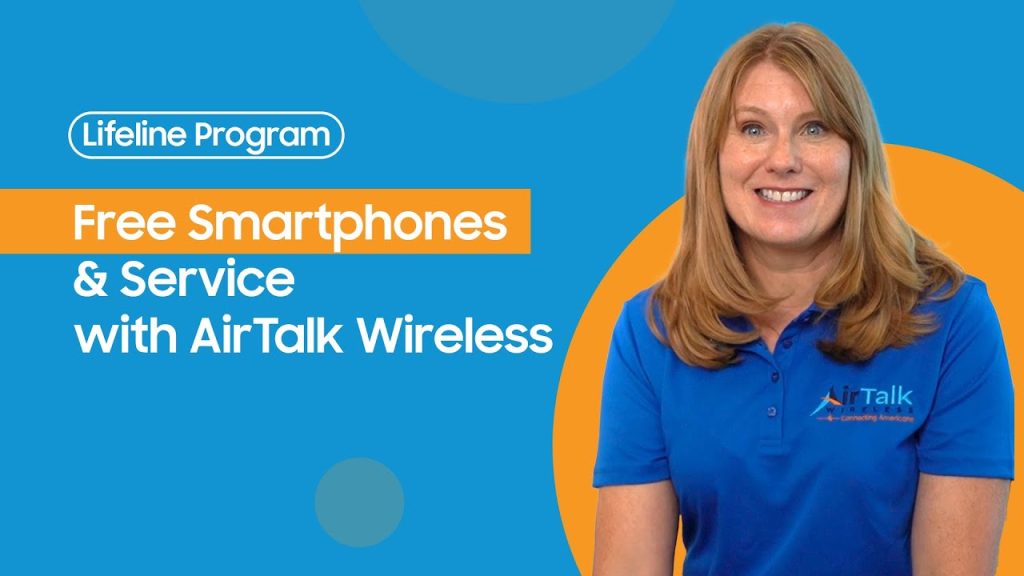
IMPORTANT: The government does not subsidize devices. Lifeline programs cover basic service costs only. Free or discounted devices, upgrade plans, or top-ups are exclusive benefits provided by AirTalk Wireless and Cintex Wireless as part of the promotional offers. Terms and conditions apply. Limited-time promotion—offers vary by state, stock availability, and eligibility.
>>>Read more: Is Free Phone Wireless Legit? Key To Selecting A Reputable Provider
6. Frequently Asked Questions
Q1. Can you have MassHealth and Medicare?
Yes, this is called dual eligibility. Medicare pays first as your primary insurance, and MassHealth pays second, covering costs Medicare does not fully pay.
Q2. What income is too high for MassHealth?
It depends on your age and household size. For adults under 65, eligibility is based on income alone (typically up to 133% of the Federal Poverty Level). For adults 65 and older, financial eligibility considers both monthly income and countable assets (limited to $2,000 for individuals).
Q3. Is MassHealth considered Medicaid or Medicare?
MassHealth is Medicaid, not Medicare. It is simply the name Massachusetts uses for its combined Medicaid and CHIP program.
Q4. What qualifies someone for MassHealth?
Eligibility depends on income, household size, age, and disability status across several coverage groups.
Conclusion
Is MassHealth Medicare or Medicaid? It is Medicaid, Medicare is a completely separate federal program, though some residents qualify for both.
Check your dual-eligibility status if you are 65 or older or living with a qualifying disability. Confirming this early can help you get the most out of both programs instead of just one.