
Finding the right healthcare provider can become frustrating when you are unsure whether your Medicaid plan will be accepted or where to begin your search. Even if a doctor participates in Medicaid, they may not accept every Medicaid managed care plan or may have limitations on new patients.
Fortunately, there are several reliable ways to find doctors that accept Medicaid and confirm your coverage before scheduling an appointment. Find out details in this post!
1. What are Doctors That Accept Medicaid?
Medicaid program and can provide covered services to Medicaid beneficiaries. If you are enrolled in a Medicaid managed care plan, however, the doctor may also need to participate in your specific plan’s network.
That distinction matters. A doctor may accept Medicaid but not accept your particular Medicaid health plan, or the practice may temporarily stop taking new Medicaid patients.
Before scheduling an appointment, confirm three things:
- The doctor accepts Medicaid.
- The doctor accepts your specific Medicaid plan.
- The office is currently accepting new patients.
Checking all three can save you from arriving at an appointment only to discover that your coverage cannot be used there.
2. Common Types of Doctors That Accept Medicaid
Medicaid provider networks can include many types of healthcare professionals, although availability varies by state, health plan, and location.
Two of the most common providers include:

Primary Care Doctors
Primary care providers handle routine healthcare, preventive services, common illnesses, and ongoing management of many health conditions. Depending on their specialty, they may care for patients throughout adulthood or focus on specific age groups.
Common types include:
- Family medicine: Family physicians can provide primary care for people of different ages, including children and adults.
- Internal medicine: Internists typically provide primary care for adults and help manage both routine and complex health conditions.
- Pediatrics: Pediatricians provide primary care for infants, children, and adolescents.
Primary care doctors may provide services such as:
- Routine health checkups
- Preventive screenings and vaccinations
- Diagnosis and treatment of illnesses and injuries
- Management of acute and chronic conditions
- Prescription medications
- Diagnostic testing when medically necessary
- Referrals to specialists when appropriate
Specialists and Clinics
Medicaid may provide access to specialists such as cardiologists, dermatologists, neurologists, OB-GYNs, and other healthcare professionals when their services are covered and medically necessary.
Community health centers, outpatient clinics, and other medical facilities may also accept Medicaid. They are helpful options when finding an individual specialist is difficult.
>>>Read more: Is Ketamine Treatment Covered By Medicaid? Important Facts You Should Know
3. Which Services Can You Expect from Doctors That Accept Medicaid?
Doctors that accept Medicaid may provide preventive, routine, and medically necessary healthcare services covered by your state Medicaid program and health plan.
The exact services available can vary by state, eligibility category, Medicaid plan, and provider network. Medicaid programs have flexibility in determining the type, amount, duration, and scope of covered services within federal requirements.
Common services may include:
- Routine checkups and primary care: Regular visits to monitor your health, discuss concerns, and manage ongoing healthcare needs.
- Preventive care: Health screenings, vaccinations, wellness visits, and other services designed to prevent or detect health problems early.
- Diagnosis and treatment: Evaluation and treatment for illnesses, injuries, infections, and other medical conditions.
- Chronic condition management: Ongoing care for conditions such as diabetes, asthma, or high blood pressure.
- Specialist care: Visits with specialists when medically necessary and covered by your plan, sometimes with a referral from your primary care provider.
- Maternal and reproductive healthcare: Covered services may include prenatal and pregnancy-related care, as well as other reproductive health services.
- Behavioral health services: Depending on your plan, Medicaid may cover mental health evaluations, counseling, and other behavioral healthcare.
- Prescription support: Doctors can prescribe covered medications and help manage prescriptions as part of your treatment plan.
>>>Read more: Does Medicaid Cover Zepbound? Your State Coverage Guide 2026
4. How to Find a Doctor That Takes Medicaid?
Finding doctors that accept Medicaid is easier when you search through your specific Medicaid plan, rather than relying only on a general internet search.
Each state has its own Medicaid provider network, and managed care plans may maintain separate networks.
Use this process:
- Check your Medicaid card: Identify the Medicaid program or managed care plan you are enrolled in.
- Search the plan’s provider directory: Enter your ZIP code and select the type of doctor you need.
- Call the doctor’s office: Ask whether the provider accepts your exact Medicaid plan and is currently accepting new patients.
- Confirm before the appointment: Verify the doctor’s participation, location, and any referral requirements before scheduling.
You can also contact your state Medicaid agency if you cannot find a suitable provider. Medicaid.gov recommends contacting the state Medicaid program for a list of participating providers.
Community health centers and federally qualified health centers can also be useful alternatives when nearby private practices have limited Medicaid availability.
5. Other Benefits Available for Medicaid Eligible Applicants
If you are eligible for Medicaid, you may also qualify for assistance that goes beyond healthcare.
One example is Lifeline, a federal program that helps eligible low-income consumers reduce the cost of qualifying phone or internet service.
Medicaid participation is one way to qualify for Lifeline, and applicants may also qualify based on household income or participation in another eligible government assistance program.
Cintex Wireless is an established Eligible Telecommunications Carrier (ETC) that provides Lifeline-supported services.
The company is now merging with AirTalk Wireless, enabling applicants to access available Lifeline service and device offers.
To apply through AirTalk Wireless:
- Enter your ZIP code: Visit AirTalk Wireless and enter your ZIP code to check which Lifeline offers are available in your area.
- Select a plan and device: Compare available service plans and device options, then choose an offer that suits your needs.
- Complete eligibility verification: Provide the required information and proof of Medicaid participation, or another qualifying program, or eligible household income. Upload supporting documents if requested.
- Wait for approval: Submit your application and wait for an eligibility decision. If approved, follow AirTalk’s instructions to receive or activate your Lifeline-supported service.
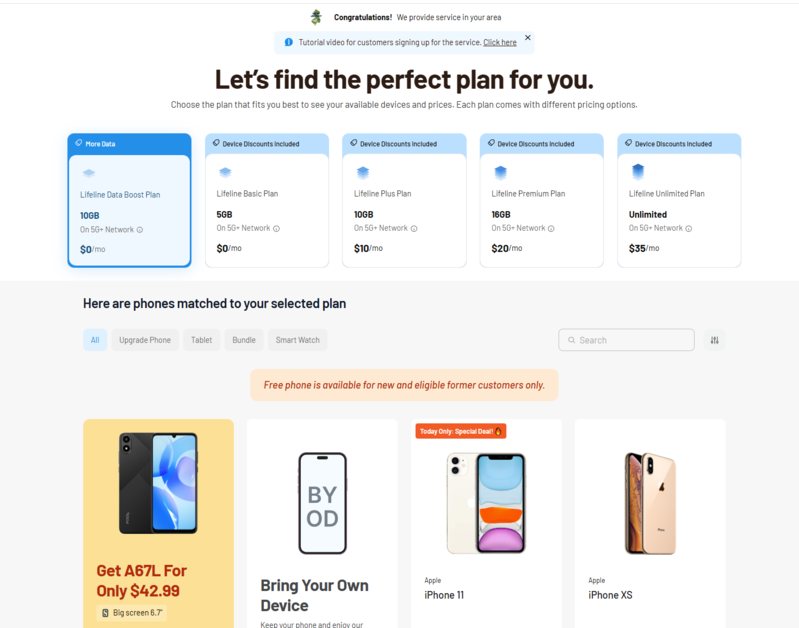
DISCLAIMER: The government does not cover device costs, only basic service through Lifeline. Any free or discounted devices, upgrades, or top-ups are limited-time Cintex Wireless and AirTalk Wireless offers and may vary by state, eligibility, and availability. Terms and conditions apply.
Conclusion
Finding doctors that accept Medicaid is not simply about finding a practice with a “Medicaid accepted” sign. Your specific Medicaid plan, the doctor’s network status, and whether the practice is accepting new patients all matter.
A few minutes spent checking those details before the appointment can save you a frustrating phone call or an unexpected bill later. When your coverage and provider line up, getting the care you need becomes much more straightforward.