
Can you get Medicaid if you own a home? Yes, in most cases. That surprises many people who assume owning property automatically disqualifies them. The real answer depends on which type of Medicaid you are applying for, not on home ownership itself.
This guide covers why standard Medicaid and long-term care Medicaid treat home ownership completely differently, and what actually determines whether your house counts against you.
1. Can You Get Medicaid If You Own a Home?
Yes, in most cases you can get Medicaid while owning a home. Whether your home matters at all depends on which type of Medicaid you are applying for.
Many MAGI-based Medicaid programs do not use an asset test, meaning your home is generally not considered when determining eligibility.
However, other Medicaid pathways may review assets. Long-term care Medicaid may consider assets, but a primary residence may qualify for an exemption depending on factors such as who lives in the home, the amount of home equity, and state-specific rules.
2. When Does Your Home Not Count Toward Medicaid Eligibility?
Not every dollar of home value works against you when Medicaid reviews your application. Two separate rules decide whether your home matters at all, based on which Medicaid category you fall under.
Understanding both up front prevents you from panicking over a rule that may not even apply to you.
MAGI Medicaid Does Not Use an Asset Test
Most working-age adults, children, and pregnant applicants qualify through MAGI-based Medicaid, the same income methodology used for ACA marketplace plans.
MAGI-based Medicaid generally evaluates eligibility using household income rather than traditional asset limits. This means assets such as savings, property, or vehicles usually do not affect eligibility under this category. Owning a home, a car, or even a second property has no bearing on this type of eligibility.
You Still Need to Meet the Applicable Income Rules
Not having an asset test does not mean there are no rules at all. You still need household income at or below your state’s limit for your category and family size.
The value of your home is generally not counted as income simply because you own it. However, other income sources, such as rental income from the property, may be treated differently depending on Medicaid rules.

3. When Can Homeownership Matter for Medicaid Eligibility?
Homeownership matters mainly for Medicaid categories that consider financial resources, such as certain programs for older adults, people with disabilities, and long-term care applicants.
This mainly affects seniors, people with disabilities, and anyone applying for long-term care coverage. Three factors decide how much your home actually counts.
- Some Non-MAGI Medicaid pathways have resource rules. Some Non-MAGI Medicaid categories, including certain programs for older adults and people with disabilities, may have asset limits. These limits vary by state, program type, and applicant circumstances.
- A primary residence can receive special treatment. Even under an asset-tested category, your home is typically exempt if you live in it, or if your spouse or a dependent relative lives there.
- Long-term care Medicaid has additional home rules. For certain Medicaid long-term care programs, federal rules may limit the amount of home equity that can be exempt. The exact amount changes over time and may vary by state, so applicants should confirm the current limit with their state Medicaid agency.
>>> Read more: How Long Can You Keep Medicaid After Getting a Job?
4. How Can You Check Whether Your Home Affects Your Medicaid Application?
Whether your home affects Medicaid eligibility depends on your Medicaid category and your state’s rules. Check these factors before making decisions about your property.
Skipping ahead and assuming the worst can lead to unnecessary steps, like transferring property before you actually need to. Work through these in order.
- Identify which Medicaid eligibility category you fall under
- Determine whether that category tests resources at all
- Check your state’s specific home exemption and equity limit rules
- Check additional long-term care rules if nursing home or in-home care is involved
- Avoid transferring or selling property before understanding the Medicaid rules that apply to your situation. Certain transfers may affect eligibility for some Medicaid programs, especially long-term care coverage.
>>> Read more: How a Medicaid Trust (MAPT) Pays for Care
5. Owning a Home Doesn’t Automatically Rule Out Lifeline Either
Owning a home doesn’t automatically disqualify you from Medicaid. In most cases, your primary residence isn’t counted as an asset when determining eligibility, though equity limits and other rules can apply depending on your state and the type of Medicaid you’re applying for.
If homeownership isn’t standing in your way, it’s worth knowing that Medicaid eligibility can open up another benefit: the Federal Lifeline Program.
Who Qualifies for Lifeline
Lifeline is a federal program managed by the FCC that discounts your monthly phone service or internet service.
Standard households save up to $9.25 a month, and households on qualifying Tribal lands save up to $34.25 a month.
Qualification runs through either your income or your enrollment in another program.
- Enrolled in Medicaid, SNAP, SSI, Federal Public Housing Assistance, or Veterans Pension
- Household income at or below 135% of the federal poverty guidelines
What Can You Actually Get Through Lifeline?
To receive Lifeline monthly benefits, you need to apply through Eligible Telecommunications Carriers. And these carriers combine the Lifeline discount with their own device promotion instead of a bill credit alone.
Through Lifeline carriers like Cintex Wireless, you can get:
- A free 5G smartphone for eligible applicants
- $0 monthly service on qualifying plans
- Unlimited talk and text
- Free SIM or eSIM setup and WiFi calling
- Nationwide network coverage
UPDATE: Cintex Wireless has merged into AirTalk Wireless. This can give applicants broader coverage and a faster approval timeline than before.
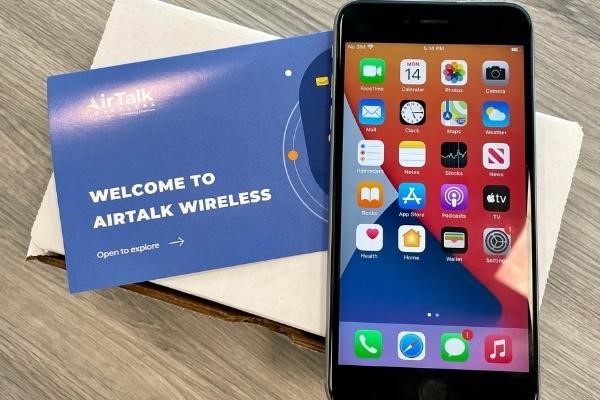
IMPORTANT: The government does not subsidize devices. Lifeline programs cover basic service costs only. Free or discounted devices, upgrade plans, or top-ups are exclusive benefits provided by AirTalk Wireless and Cintex Wireless as part of the promotional offers. Terms and conditions apply. Limited-time promotion—offers vary by state, stock availability, and eligibility.
6. Frequently Asked Questions
Q1. Will I be denied Medicaid just because I own my home?
No, owning a home by itself does not automatically prevent Medicaid eligibility. The outcome depends on the Medicaid category, your state’s rules, and whether your home qualifies for an exemption.
Q2. Does a home count as an asset for Medicaid?
It depends on the Medicaid program. Some Non-MAGI and long-term care pathways review assets, but a primary residence may be exempt if certain conditions are met.
Q3. Can you qualify for Medicaid if your house is paid off?
Yes. Whether your home is paid off or still has a mortgage does not change how Medicaid treats it, since eligibility depends on the exemption rules for your category, not your equity or loan balance.
Q4. Can Medicaid take your house if you own one?
Qualifying for Medicaid does not usually require you to give up your primary residence. However, after death, states may pursue estate recovery for certain Medicaid costs, especially long-term care expenses. Protections may apply depending on your family situation and state rules.
Conclusion
Can you get Medicaid if you own a home? In many cases, yes. Owning a home does not automatically prevent Medicaid eligibility, but the effect of your property depends on the Medicaid program, your state’s rules, and whether long-term care coverage is involved.
Before making decisions about your home, first identify which Medicaid category applies to you and understand the exemptions available. The key factor is not simply owning a house, but how Medicaid evaluates your specific situation.