
Can I have Medicaid and private insurance? Yes, if you still qualify for Medicaid in your state. Having both changes how claims get paid and comes with a legal reporting requirement most people don’t expect.
This guide covers how the payment order works, what you’re required to report, and how to manage both plans without a claim getting stuck.
1. Can I Have Medicaid and Private Insurance?
Yes, you can have both Medicaid and private insurance at the same time if you qualify for Medicaid in your state. Having other coverage does not disqualify you from Medicaid, though it does change how claims get paid and creates a legal reporting requirement.
Private insurance here means any employer, marketplace, or individually purchased plan, separate from Medicaid’s state-run coverage.
This is common for people with employer coverage who also qualify for Medicaid based on income, or for people who have Medicare alongside Medicaid, known as dual eligibility.
Why Do Some People Have Both Medicaid and Private Insurance?
A few common situations lead to dual coverage, and none of them are unusual or against the rules.
- Employer health insurance with Medicaid: a low-wage job may offer coverage that still leaves someone eligible for Medicaid based on income
- Private coverage after Medicaid approval: someone already on Medicaid might gain employer or marketplace coverage later without losing Medicaid eligibility
- Medicaid as secondary coverage: Some people have Medicaid alongside private insurance and use Medicaid to help cover eligible remaining costs after their primary insurance processes a claim, depending on Medicaid rules and their state’s coordination policies.
2. Which Insurance Pays First When You Have Both?
Having two forms of coverage does not mean both plans pay the same bill at the same time. Instead, insurers follow coordination of benefits (COB) rules to determine which plan processes a claim first.
In many cases, private insurance is billed before Medicaid when someone has both types of coverage. Medicaid may then help cover eligible remaining costs after the primary insurer processes the claim.
The exact order depends on your other coverage type and your state’s Medicaid rules.
- Primary insurance: The plan responsible for processing the claim first, often a private employer or individual health plan.
- Secondary coverage: Medicaid may help pay eligible remaining costs after the primary plan pays its share.
- Coordination of benefits: Both insurers must have updated information so claims are processed correctly.
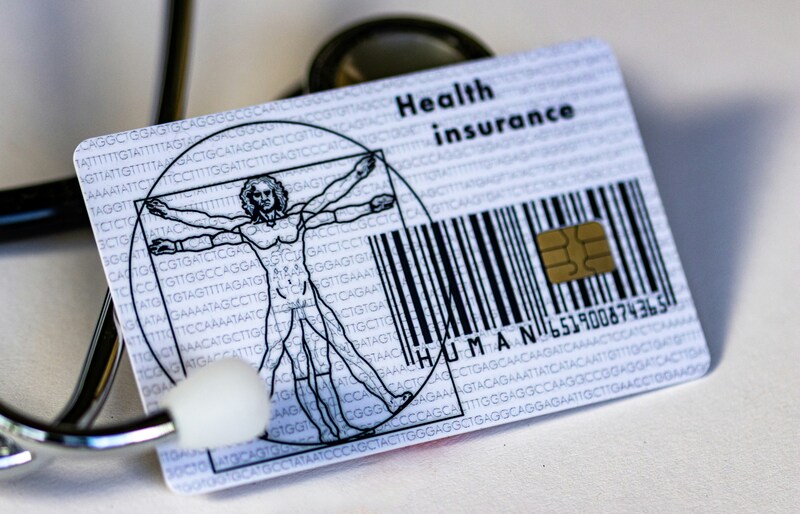
3. What Are the Key Rules for Having Both Types of Coverage?
Dual coverage comes with a few legal obligations, not just a payment order. Missing one of these rules can cause delays or coverage problems later. These four matter most.
- Report other coverage: You should inform your state Medicaid office about private insurance or other health coverage you have. States use this information to coordinate benefits and make sure claims are processed correctly.
- Provider networks: your doctor or medical provider must accept both your private insurance network and Medicaid for secondary coverage to actually work
- Marketplace coverage rules: If you qualify for Medicaid, you generally cannot receive ACA Marketplace premium tax credits at the same time. However, eligibility depends on your specific situation and when your Medicaid coverage begins.
- Understand coverage limits and networks: knowing what each plan covers, and where their networks overlap, avoids a surprise bill for a service one plan excludes
How Do You Manage Medicaid and Private Insurance Together?
Once both plans are active, a few ongoing habits keep claims moving smoothly instead of getting stuck in review.
- Inform Medicaid and your private insurer whenever your coverage information changes.
- Confirm both plans have the correct coordination of benefits information.
- Check whether your healthcare providers accept your private insurance and Medicaid before appointments.
- Review explanation of benefits statements to understand how each plan processed your claim.
- Contact your insurer or Medicaid office if a claim appears incorrect or delayed.
>>> Read more: What Is The Difference Between Medicare And Medicaid? 2026 Easy Explanation.
4. Managing Two Health Plans Starts With Staying Connected
If you’re already tracking which plan pays first between Medicaid and private insurance, one more benefit is worth adding to that list, and this one has no coordination rules at all. That’s Lifeline.
Lifeline Program Overview
The Lifeline Program is a federal initiative by the Federal Communications Commission that lowers the monthly cost of phone service, internet service, or bundled services for eligible low-income households.
Lifeline’s subsidies include:
- Up to $9.25 a month standard
- Up to $34.25 a month on Tribal lands
Note: Unlike dual health coverage, there’s no primary or secondary payer split here; it’s a straightforward monthly discount.
You can be qualified for Lifeline if you have: enrollment in Medicaid, SNAP, SSI, Section 8, or Veterans Pension clears the bar, as does income at or below 135% of the federal poverty guidelines.
Where to apply
To receive Lifeline benefits, eligible households need to enroll through a participating Eligible Telecommunications Carrier (ETC). ETCs are approved providers that deliver Lifeline-supported wireless services and apply the monthly discount to your account.
While you can apply for Lifeline through other approved channels, choosing an ETC can give you access to the provider’s available service plans, device offers, and additional features that may come with the enrollment.
Cintex Wireless is a participating Lifeline provider that helps eligible households access discounted wireless services.
Through its Lifeline plans, qualified applicants may receive benefits such as monthly data, talk and text services, and available device promotions depending on their state, eligibility, and current offers.
Cintex Wireless has merged into AirTalk Wireless, another ETC that has been serving for more than 2 decades.
Eligible households can continue accessing Lifeline-supported services while benefiting from a broader device selection and expanded service options, depending on availability in their area.
Note: A few program rules apply regardless of which carrier you choose. Only one Lifeline discount is allowed per household. Subscribers must recertify their eligibility every year to keep the benefit active. And if a provider charges no monthly fee, the service must be used at least once every 30 days to stay enrolled.
How to Apply
Applying takes just a few minutes once you know your eligibility.
- Visit the provider’s website and enter your ZIP code to check availability
- Choose the Lifeline plan and device that fits your needs
- Provide your information for verification. Upload any proof if requested.
- Submit your Lifeline application and wait for approval.
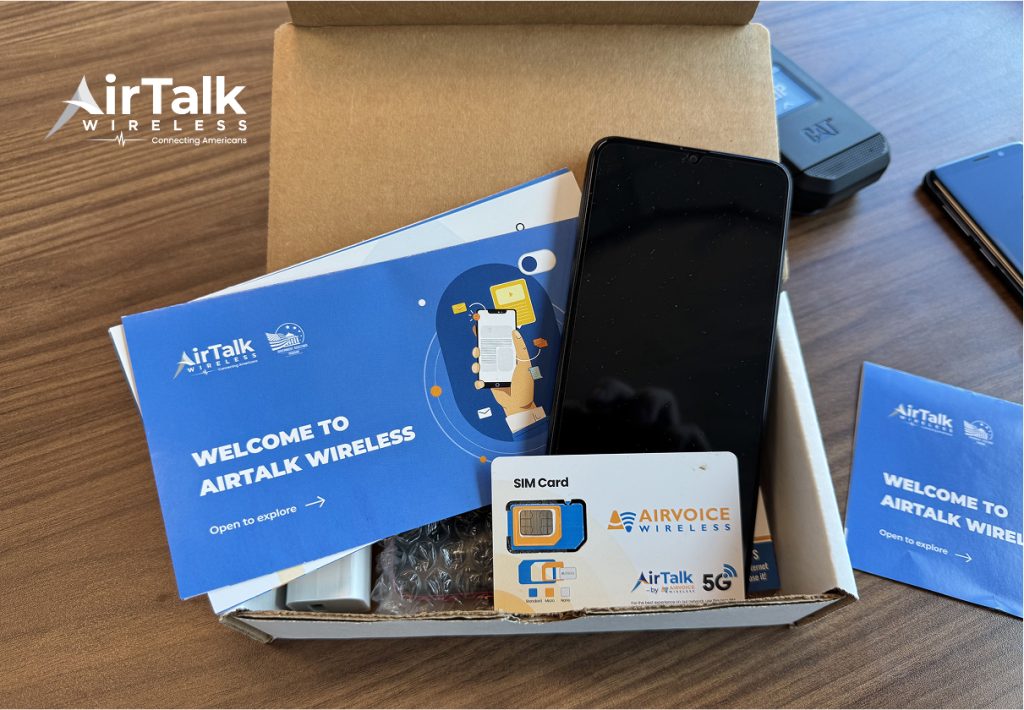
IMPORTANT: The government does not subsidize devices. Lifeline programs cover basic service costs only. Free or discounted devices, upgrade plans, or top-ups are exclusive benefits provided by AirTalk Wireless and Cintex Wireless as part of the promotional offers. Terms and conditions apply. Limited-time promotion—offers vary by state, stock availability, and eligibility.
>>> Read more: Medicare And Medicaid For Dummies: Top 5+ Key Differences
5. Frequently Asked Questions
Q1. Can I have private insurance and Medicaid at the same time?
Yes. You can have both Medicaid and private insurance if you continue to meet your state’s Medicaid eligibility requirements. In many cases, your private insurance processes claims first, and Medicaid may help cover eligible remaining costs based on coordination rules.
Q2. What is TPL in Medicaid?
TPL stands for Third Party Liability, the rule requiring any other liable coverage, like private insurance or Medicare, to pay before Medicaid does.
Q3. Do I have to report my private insurance to Medicaid?
Yes. You should report private insurance or other health coverage to your state Medicaid office so benefits can be coordinated correctly. Failing to update your information may cause claim delays or coverage issues.
Conclusion
Can I have Medicaid and private insurance? Yes, you may have both if you still meet your state’s Medicaid eligibility requirements. Having two plans mainly changes how your healthcare claims are processed through coordination of benefits.
Keep your coverage information updated with both your private insurer and Medicaid, especially when your insurance situation changes. This helps reduce claim delays and makes it easier to understand which plan handles each healthcare cost.