
Need a dental appointment or specialist visit but aren’t sure whether Arkansas Medicaid will pay? Even when you already have coverage, different benefit limits can make it difficult to know what to expect.
If you’re wondering what does Arkansas Medicaid cover for adults, the answer depends on your eligibility program and the treatment you need. This guide explains which services may be covered, where restrictions apply, and how to verify your benefits before scheduling care.
1. What Does Arkansas Medicaid Cover for Adults?
Arkansas Medicaid covers many essential healthcare services for eligible adults, including doctor visits, hospital treatment, prescription medications, and mental health services. Certain rehabilitation services and transportation to covered appointments may also qualify.
However, the exact benefits depend on your Medicaid eligibility category and how your healthcare coverage is delivered.
For example, ARHOME generally provides coverage through a private qualified health plan, while traditional Medicaid usually pays participating providers directly. Some services have different approval requirements or limits under each arrangement.
The sections below explain the main services adults can receive and the restrictions worth checking before treatment.
2. Which Arkansas Medicaid Adult Benefits Have Special Limits?
Not every Medicaid benefit has the same coverage rules so the answer for what does Arkansas Medicaid cover for adults can vary. Dental care and vision services are two areas where Arkansas applies specific limits.
- Dental care: Arkansas Medicaid generally covers up to $500 per year in eligible adult dental services. Covered treatment may include cleanings, fillings, extractions, and certain dentures, subject to individual service requirements. The dental benefit year runs from July 1 through June 30.
Arkansas has also returned Medicaid dental services to fee-for-service administration. When visiting a participating dentist, use your Medicaid ID and confirm your remaining benefit before treatment.
- Vision care: Eligible adults generally receive one eye examination and one pair of glasses every 12 months. Additional lenses or other vision services may require prior authorization or meet special medical criteria.
- Hearing and rehabilitation: Coverage depends on your age, Medicaid program, and the service being requested. Do not assume that benefits available to children also apply to adults.
- Medical equipment and long-term care: Wheelchairs and other durable medical equipment may be covered when medically necessary. Nursing facility services and home-based long-term care require separate eligibility assessments.
Check the applicable benefit rules before scheduling services that may have annual limits or require advance approval.

3. Can Adults Get Medicaid in Arkansas?
Yes. Arkansas offers several adult eligibility routes, but qualifying for one does not establish eligibility for every service.
ARHOME generally serves eligible adults ages 19–64 with household income up to an effective 138% of the federal poverty level. Separate routes serve pregnant applicants, adults aged 65 or older, people with disabilities, and people needing long-term care.
Other pathways include qualifying parents or caretaker relatives, Workers with Disabilities, and certain former foster youth. Some categories consider resources as well as income; others use different financial rules.
When assessing what does Arkansas Medicaid cover for adults, identify your eligibility route first. Residency, citizenship or qualifying immigration status, and category-specific conditions also matter. Check current DHS notices for enrollment and renewal obligations.
>>> Read More: Is a Panniculectomy Covered by Medicaid? Check the Requirements
4. What Are the Different Types of Medicaid in Arkansas?
These programs have different purposes. Comparing them helps clarify what does Arkansas Medicaid cover for adults without confusing comprehensive insurance with limited financial assistance.
| Program or pathway | Who or what it serves | Important distinction |
| ARHOME | Eligible expansion adults ages 19–64 | Usually coverage through a private qualified health plan |
| Traditional Medicaid | Eligible parents, pregnant people, older adults, and people with disabilities | Benefits follow the person’s assigned category |
| Workers with Disabilities | Eligible people with disabilities who work | Full Medicaid coverage under separate financial rules |
| ARChoices / LTSS | Eligible adults needing long-term services and supports | Requires additional financial and care-needs assessments |
| Medicare Savings Programs | Eligible people needing help with Medicare expenses | Does not necessarily provide full Medicaid benefits |
PASSE is not a separate basic Medicaid eligibility category. It coordinates covered healthcare and specialized support for certain members with complex behavioral health or intellectual and developmental disability needs.
See the Arkansas DHS health care program overview for program descriptions.
5. What Costs and Coverage Restrictions Should Adults Check?
Knowing what does Arkansas Medicaid cover for adults also means checking the conditions attached to payment.
Some members owe copayments, while exemptions apply to certain people and services. For example, DHS identifies emergency, preventive, family planning, pregnancy-related, and inpatient hospital services as exempt under its adult cost-sharing guidance.
Before nonemergency treatment, ask whether prior authorization or a primary care referral is necessary. Check visit limits, prescription quantities, equipment replacement schedules, and any process for requesting additional services.
Confirm that the provider accepts your specific coverage. Accepting Medicaid generally does not establish participation in every ARHOME plan.
Finally, ask whether any proposed service falls outside your benefit package and request an explanation of potential charges before agreeing to privately paid care.

6. How to Apply and Confirm Your Arkansas Medicaid Benefits?
To determine what does Arkansas Medicaid cover for adults in your situation, follow the application and coverage-confirmation process in order.
- Step 1: Apply through Access Arkansas or local DHS.
Submit an application through Access Arkansas or contact your county DHS office. Provide requested information about your household, income, residency, and other eligibility factors, then respond to verification requests.
- Step 2: Identify your Medicaid program and health plan.
Read your eligibility notice and insurance materials. Confirm your coverage start date, eligibility category, and whether services are administered through traditional Medicaid, an ARHOME plan, or another arrangement.
- Step 3: Confirm specific provider/service coverage before treatment when needed.
For planned care, contact the plan or Medicaid and the provider. Ask about network participation, authorization, referrals, remaining benefits, and expected costs. Keep confirmation details.
7. Arkansas Medicaid May Also Help You Save More
Keeping up with Arkansas Medicaid often means calls about applications, provider availability, and treatment approvals, and a dependable phone makes those easier to catch. If the monthly bill is a strain, phone assistance may be worth a look.
Lifeline is a government assistance program that helps eligible households afford phone service or internet service.
It offers up to $9.25 per month toward qualifying internet or bundled service, and voice-only support may be lower. Eligible households on qualifying Tribal lands may receive up to $34.25 per month.
Medicaid can help your household qualify, as can SNAP, SSI, or household income at or below 135% of the Federal Poverty Guidelines. The benefit is nontransferable and limited to one per household.
Cintex Wireless helps eligible customers access Lifeline-supported mobile service for everyday calls, messages, and data, and it is merging into AirTalk Wireless, a participating Eligible Telecommunications Carrier (ETC) that provides Lifeline-supported service. The merger aims to bring more device choices and a smoother enrollment.
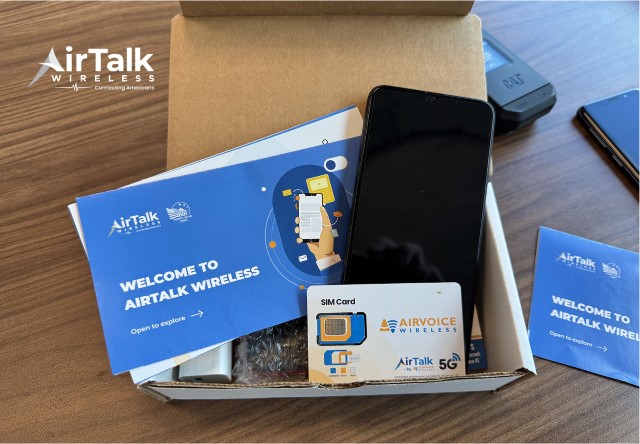
Depending on your location, plan, and current availability, options may include:
- Talk and text to take calls about applications and treatment approvals
- Mobile data to check provider availability and use online portals
- Eligible device offers to replace a phone that makes staying in touch difficult
Offers vary, and approval and a specific phone are not guaranteed.
IMPORTANT: The government does not subsidize devices. Lifeline programs cover basic service costs only. Free or discounted devices, upgrade plans, or top-ups are exclusive benefits provided by AirTalk Wireless and Cintex Wireless as part of the promotional offers. Terms and conditions apply. Limited-time promotion—offers vary by state, stock availability, and eligibility.
8. FAQs
What will Arkansas Medicaid pay for?
Arkansas Medicaid may cover doctor visits, hospital care, prescription drugs, behavioral health services, and qualifying transportation. Dental care and other specialized benefits have separate limits. Your eligibility category determines which coverage rules apply.
Is adult enrollment available?
Yes. Adults may qualify through ARHOME, pregnancy-related Medicaid, disability-based programs, or coverage for older adults. Income limits and other requirements depend on the eligibility category.
Does Arkansas Medicaid cover dental care for adults?
Yes. Arkansas Medicaid generally provides up to $500 per benefit year for eligible adult dental services. Some procedures require prior authorization, and certain laboratory charges are treated separately from the annual limit.
Does Arkansas Medicaid cover vision care for adults?
Yes. Eligible adults generally receive one eye examination and one pair of glasses every 12 months. Additional services may require prior authorization or meet specific medical requirements.
Conclusion
Understanding what does Arkansas Medicaid cover for adults starts with knowing which program you’re enrolled in. While many essential healthcare services are covered, dental care and other specialized benefits may have limits.
Before scheduling treatment, contact your Medicaid plan or provider to confirm coverage for the specific service you need.