
Understanding Medicaid income limits Indiana is one of the first steps for residents who want to know whether they may qualify for health coverage.
Because this program uses different income rules for different groups, the limits are not always easy to understand at first.
This guide will break down what is the highest income you can have to receive Medicaid and other eligibility criteria.
1. Overview of Indiana Medicaid
Medicaid is a joint federal and state health insurance program that provides vital medical care to low-income people and families.
In Indiana, Medicaid covers several programs, such as:
- Healthy Indiana Plan (HIP)
- Hoosier Healthwise (Packages A and C)
- Hoosier Care Connect and M.E.D. Works
You may simply apply for Medicaid benefits using the following methods:
- Apply online: Apply through the Indiana Family and Social Services Administration (FSSA) benefits portal.
- Apply in Person: Find and contact your local Division of Family Resources office.
- Apply by phone: Call 1-800-403-0864.
>>>Read more: Where To Find Low Income Apartments Indianapolis In 2026?
2. What Are Medicaid Income Limits Indiana?
Indiana Medicaid income limits refer to the maximum amount of money you or your family may earn while receiving Medicaid benefits.
Knowing it clearly will make it easier to verify your eligibility.

2.1 Factors Affecting Income Limits
Your income threshold is based on the Federal Poverty Level (FPL), which varies depending on several criteria.
These include age, household size, eligibility category, and program type.
For instance, a child may be assessed under one rule, while a parent or older adult may be assessed under another. Household size also changes how income is measured.
Additionally, income limits for children and CHIP-related coverage are generally higher than limits for adults and vary depending on age and household size.
That is why it is important to check the category that matches your situation before looking at the Medicaid income limits Indiana.
2.2 Medicaid Income Limits Indiana
As mentioned earlier, “What is the maximum income to qualify for Medicaid in Indiana?” varies by some factors.
Here’s an overview of the income limits by age:
| Age Group | Federal Poverty Level (FPL) Limit | Program Options |
| Adults aged 19-64 | 138% of the FPL | Healthy Indiana Plan |
| Children under 19 years old | 163% of the FPL | Hoosier Healthwise |
| Children under 1 year old | 213% of the FPL | Hoosier Healthwise |
Please note that Indiana Medicaid income limits for those aged 19 to 64 increase depending on the number of people in the home.
- Monthly income limits change regularly based on updated federal poverty guidelines and household size.
- Each additional household member increases the income limit by $618 per month. This is because larger families may incur higher expenses and require more income to qualify for Medicaid.
Moreover, the Department of Health and Human Services (DHHS) typically updates the income eligibility limits for Indiana Medicaid once a year to reflect changes in federal poverty guidelines or state rules.
Thus, check frequently to stay up to date.
3. Other Eligibility Requirements to Qualify for Indiana Medicaid
In addition to Medicaid income limits Indiana, Indiana citizens may need to meet other criteria to receive Medicaid benefits:
3.1 Citizenship and Residency Status
To qualify for Indiana Medicaid, you must be a resident of the state of Indiana, a US national, citizen, permanent resident, or qualified non-citizen who meets Indiana Medicaid eligibility requirements.
3.2 Categorical Eligibility
Children, pregnant women, the elderly, and the disabled must meet strict eligibility requirements to receive Indiana Medicaid.
In general, children and pregnant women may qualify at higher income levels than adults, depending on household size and program category.
For example, adults applying through Indiana’s Medicaid expansion program, Healthy Indiana Plan (HIP), are generally evaluated using the 138% Federal Poverty Level (FPL) guideline.
Certain programs for children and pregnant women may allow eligibility at income levels above 200% of the FPL.
Because Indiana Medicaid guidelines can change over time, applicants should review the latest state eligibility requirements before applying.
>>>Read more: Does Medicaid Cover Physical Therapy In 2026? Benefits & Eligibility
4. Can You Qualify If Your Income Is Above the Limits?
Indiana residents over the age of 65 who do not fulfill the Medicaid income limits Indiana listed above may also qualify for Medicaid in the following ways:
- Qualified Income Trusts (QITs): Also called Miller Trusts, these can help people who earn too much for Medicaid become income-eligible by placing excess income into an irrevocable trust that can only be used for approved expenses, such as medical costs.
- Asset spend down: People with too many countable assets may reduce them by spending on non-countable items, such as home repairs, accessibility changes, funeral costs, or existing debt. Assets should not be gifted or sold at below-market value, as this can affect Medicaid eligibility.
- Medicaid planning: For people who are over the income or asset limit but still cannot afford care, working with a Medicaid planning professional can help them use legal strategies to qualify and protect certain assets, including the home.
5. Helpful Benefits Indiana Medicaid Recipients Often Overlook
One surprising benefit that some Medicaid recipients in Indiana may miss out on is the Lifeline program, a government assistance program that helps eligible households stay connected.
Because Medicaid is one of the direct qualifying programs for Lifeline, many recipients may already be eligible for help with the cost of phone service or internet service.
Alternatively, recipients of SNAP, SSI, Section 8, specific Tribal programs, or meeting the household income limit (at or below 135% the FPL) can also qualify for Lifeline.
This initiative is available in every state, which can make it easier to manage appointments, school, work, and everyday needs.
Importantly, if you apply for Lifeline through an Eligible Telecommunications Carrier like Cintex Wireless, you can obtain subsidized or free phone deals that include talking, texting, and mobile broadband.
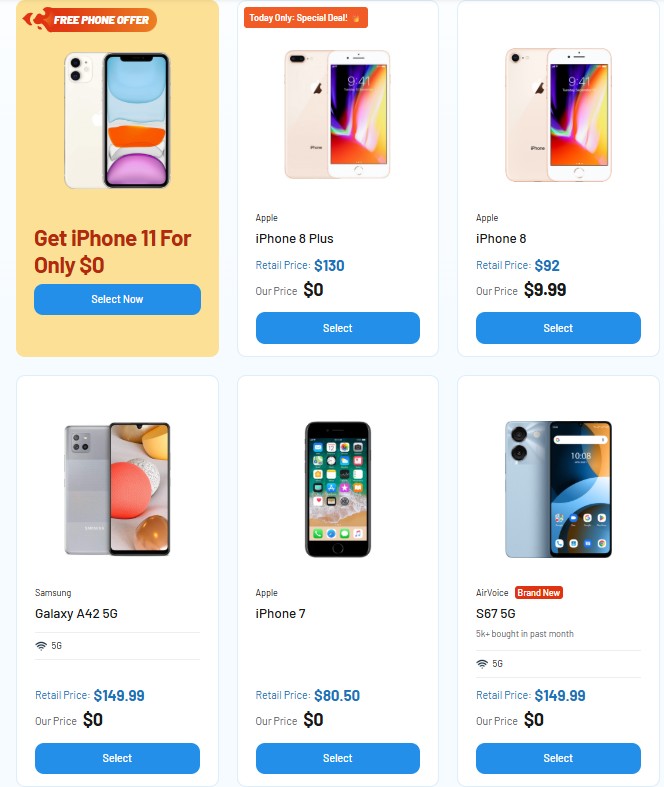
If you’re comparing carriers, you should know that Cintex Wireless is merging with AirTalk Wireless, offering a more streamlined experience and more options.
IMPORTANT: The government does not subsidize devices. Lifeline programs cover basic service costs only. Free or discounted devices, upgrade plans, or top-ups are exclusive benefits provided by Cintex Wireless as part of our promotional offers. Terms and conditions apply. Limited-time promotion—offers vary by state, stock availability, and eligibility.
Conclusion
Finally, knowing the Medicaid income limits Indiana is critical for anybody seeking to determine eligibility before applying.
Because the requirements differ depending on age, family size, and program type, it is critical to review the guideline that applies to your specific scenario.