
Getting married can bring a few unexpected changes, especially when you rely on government benefits. If you’re wondering, “Will I lose my Medicaid if I get married?”, your spouse’s income may be one of the first things you think about.
However, there are other factors that can affect your coverage, and knowing what to check can help you prepare for the change.
1. Will I Lose My Medicaid If I Get Married?
No, getting married alone won’t cause your Medicaid coverage to end.
Marriage can still change your eligibility if it changes the household income or other financial rules used for your Medicaid category.
You may hear this described informally as a “Medicaid marriage penalty,” especially when marriage causes a spouse’s income or resources to count toward eligibility. It is not one universal Medicaid rule, however. The effect depends on the program and the state.
The most important question is which Medicaid pathway you use: MAGI-based coverage, age- or disability-related Medicaid, or long-term care Medicaid.

Still, the outcome depends on your state and the type of Medicaid you receive. Common Medicaid eligibility categories and pathways relevant to these rules include:
- Medicaid based on Modified Adjusted Gross Income (MAGI)
- Medicaid for older adults or people with disabilities
- Long-term care Medicaid
The rules for each category differ, so identifying your coverage type is an important first step. The next section explains how your spouse’s income and assets may affect your eligibility and what financial limits to check.
2. How Does Marriage Affect Your Medicaid Eligibility?
If you’re asking, will I lose my Medicaid if I get married, start by checking how your state evaluates income and resources for your eligibility category. The rules for counting a spouse’s income and assets can differ depending on the type of Medicaid you receive.
Does Medicaid Count Your Spouse’s Income?
For MAGI-based Medicaid, a spouse you live with is generally included in your Medicaid household even if you file separate tax returns. As a result, your spouse’s countable income can affect whether you remain eligible after marriage.
Different rules may apply when spouses do not live together or when Medicaid eligibility is based on age, disability, or long-term care needs.
That is why marriage can change Medicaid eligibility even when your own paycheck has not changed.
Can Your Spouse’s Assets Affect Your Medicaid?
It depends on your eligibility pathway.
MAGI-based Medicaid generally has no asset test, so savings and property are not counted as eligibility resources under that method.
Some Medicaid pathways for older adults or people with disabilities do consider resources. SSI-related rules may also count part of an ineligible spouse’s income and assets when the couple lives together.
Long-term care Medicaid follows separate married-couple rules. When one spouse needs qualifying institutional care, and the other remains in the community, spousal impoverishment protections may allow the community spouse to keep a protected share of resources.
The community spouse’s own income is generally treated separately, while some income belonging to the spouse receiving care may be allocated to support the community spouse.

How Much Can a Married Couple Make for Medicaid?
There is no single income limit that applies to every married couple. The applicable limit depends on your state, eligibility category, household size, and other relevant circumstances.
For example:
- A couple applying under an adult Medicaid expansion group may face a different income threshold from a pregnant person applying for pregnancy-related coverage.
- People qualifying based on age or disability may also face different income requirements, while long-term care Medicaid follows its own financial rules.
To find out whether your household income could affect your coverage, check the current eligibility requirements for your state and Medicaid category. This is more reliable than using a general income limit that may not apply to your situation.
Are the Rules Different for Long-Term-Care Medicaid?
Yes. Long-term care Medicaid has specific financial rules, and special protections may apply when one spouse needs qualifying long-term care while the other continues living in the community. These rules are called spousal impoverishment protections.
In qualifying situations, these protections allow the spouse living in the community to retain certain resources and, under applicable rules, receive an allowance from the institutionalized spouse’s income. The exact protections depend on the type of care and the applicable state and federal rules.
These provisions do not apply to every Medicaid case. Check your state’s current guidance for the requirements that apply to your circumstances. You can also review the federal government’s spousal impoverishment rules for an overview.
>>> Also read: Medicaid Planning: An Ultimate Guide To Long-Term Healthcare
3. What Should You Do After Getting Married While on Medicaid?
If “Will I lose my Medicaid if I get married?” is on your mind, you’re not alone. Marriage can affect eligibility in different ways, but there are steps you can take to understand your situation and keep your Medicaid information accurate:
- Report the marriage: Follow your state’s rules for reporting changes and meet any applicable deadline.
- Update household information: Provide requested information about your spouse, household, and income.
- Review the new eligibility decision: Check whether coverage continues and when any change takes effect.
- Correct mistakes or appeal: If the agency used incorrect income or applied the wrong eligibility category, follow the notice’s review or fair-hearing instructions.
- Prepare replacement coverage if necessary: Losing Medicaid creates a Special Enrollment Period. HealthCare.gov generally allows up to 90 days after Medicaid or CHIP coverage ends to select a Marketplace plan.
Keep copies of the information you report and the eligibility notice you receive.
Taking these steps can help you understand your options before a change in eligibility affects your access to health care.
4. Other Assistance Programs to Check if Your Financial Situation Changes
Getting married can change your household income and expenses, so if it affects your budget, Lifeline is another benefit worth checking.
If you qualify for Medicaid, you may automatically qualify for Lifeline, which can help reduce your monthly phone service bill and leave more room in your budget for other household expenses through a monthly discount.
Or if Medicaid is out of the picture, you can still qualify if you meet the income threshold or participate in other qualifying programs like SNAP, SSI, Section 8 Housing, etc.
To get the full Lifeline benefit, you should apply to an Eligible Telecommunications Carrier. These are the ones that will deliver the Lifeline-discounted service plan along with a free device to make the support more long-lasting.
Cintex Wireless has helped eligible customers access affordable wireless service through the Lifeline program. Now that the carrier has merged with AirTalk Wireless, applicants can use AirTalk’s online application process to explore more available Lifeline plans and device offers.
Depending on eligibility and availability, benefits may include monthly talk, text, and data, international calling, and even a free or discounted phone.
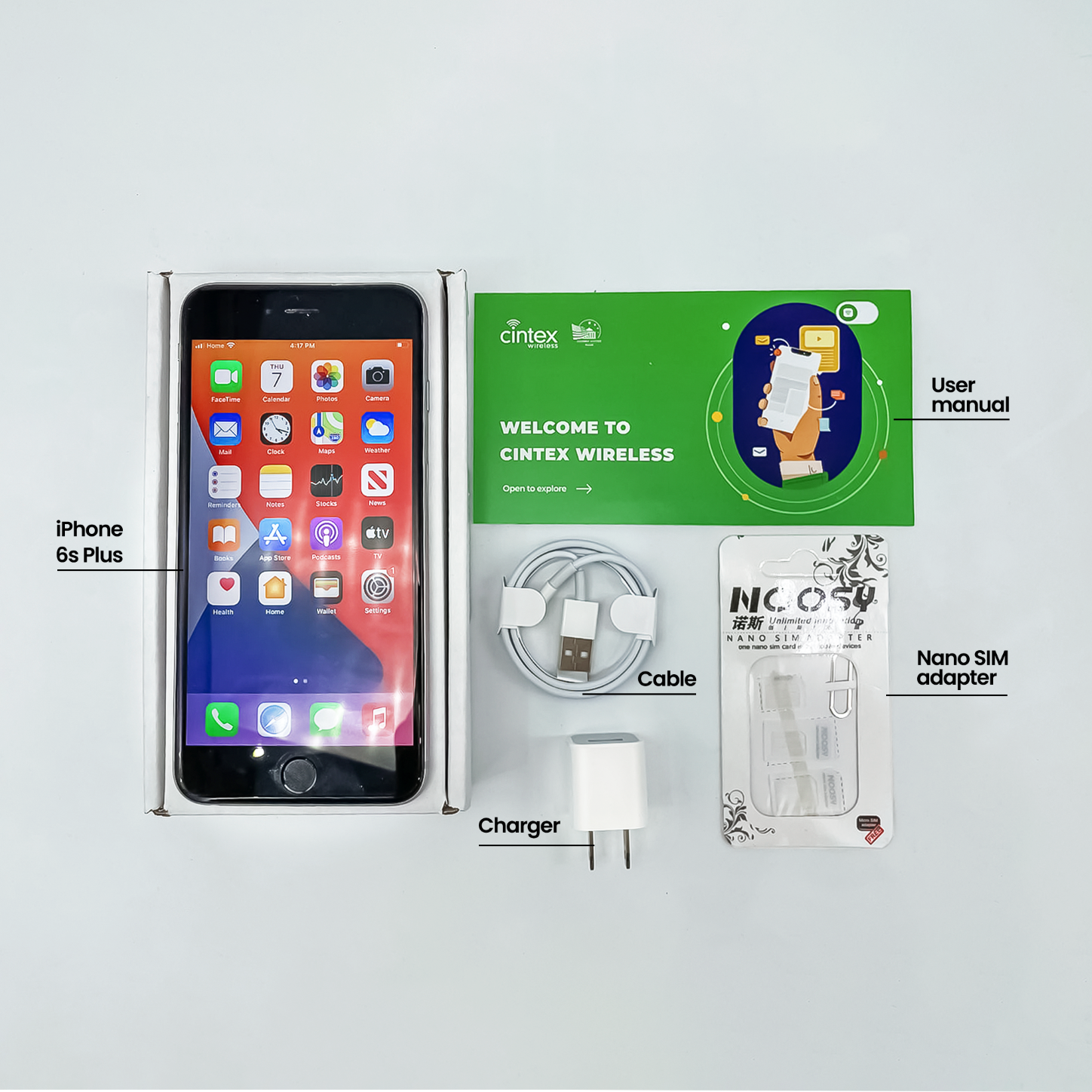
Follow these steps to apply for Lifeline with AirTalk Wireless:
- Enter your ZIP code on the AirTalk Wireless website to see whether the service is available at your location.
- Choose an available plan and device that fit your needs.
- Provide essential information and upload any required eligibility documents.
- Submit your application and wait for approval. Once approved, you can start enjoying your Lifeline benefit
DISCLAIMER: The government does not subsidize devices. Lifeline programs cover basic service costs only. Free or discounted devices, upgrade plans, or top-ups are exclusive benefits provided by AirTalk Wireless and Cintex Wireless as part of the promotional offers. Terms and conditions apply. Limited-time promotion—offers vary by state, stock availability, and eligibility.
5. FAQs
What Happens if I Don’t Tell Medicaid I Got Married?
Failing to report a required change may lead to incorrect eligibility decisions, repayment demands, or other consequences, depending on your circumstances and state rules.
Does Medicaid Know if You’re Married?
Medicaid agencies may verify information through tax records, data matching, and other sources. However, you should not assume that the agency will automatically receive every update. Follow the reporting instructions for your state.
What Disqualifies You for Medicaid?
Depending on the eligibility category, factors may include income above the applicable limit, countable assets above a resource limit, or failure to meet other program requirements. The rules vary by state and coverage group.
What Benefits Will I Lose if I Get Married?
Marriage may affect Medicaid, SSI, SNAP, or other income-based assistance, but the outcome depends on each program’s rules. Some benefits may continue unchanged, while others may be reduced or end. Check each program separately before making assumptions.
Conclusion
If you’re still wondering, will I lose my Medicaid if I get married, avoid making decisions based on income limits or general advice alone.
Check your state’s rules, report changes when required, and ask the Medicaid agency to explain how marriage affects your specific coverage. Knowing where you stand can help you plan ahead and protect access to the care you need.